10 things one should never clean with paper towels
Paper towels are a common household item, being versatile and easy to use for quick cleanup in the kitchen and other spaces. However, they should be avoided when trying to clean certain things, as the chemical composition and physical nature of paper towels may not work well for all surfaces. So, to help one avoid irreversible damage, here is a look at 10 things that should never be cleaned with a paper towel:
1. Glass surfaces
Glass surfaces, such as mirrors and windows, are smooth and can scratch easily. Even tiny scratches on them can ruin their appearance. So, additional care is required when wiping these surfaces. If paper towels are used to clean them, they may leave behind lint and streaks on the glass. So, to achieve a streak-free shine, it is better to use a newspaper or a microfiber cloth with a glass cleaner. These alternatives can make the glass surfaces look crystal clear without leaving behind scratches or streaks.
2. Eyewear
Eyewear, such as eyeglasses and sunglasses, need to be free from smudges and scratches to provide a clear vision. Additionally, they have a sensitive surface that can get scratched easily, also affecting their utility. So, using paper towels to clean eyewear can leave behind fine scratches because even though they seem gentle, paper towels can be abrasive in nature. These fine scratches can then affect the vision. So, to clean eyewear and ensure it stays scratch-free, it is best to use a clean, soft cloth that is specifically designed for that purpose.
3. Screens of electronics
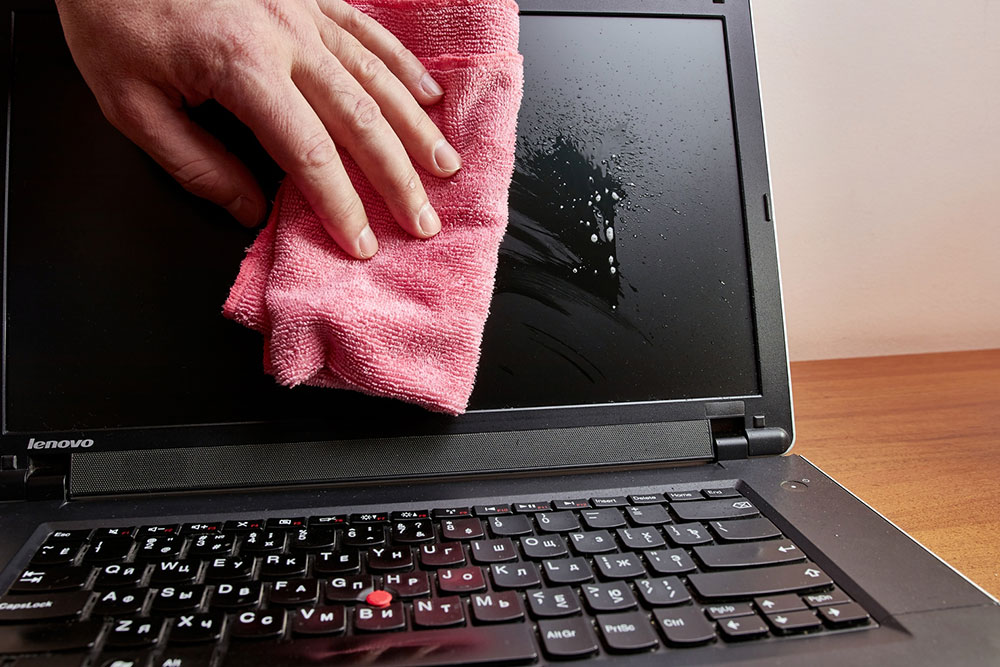
Whether it is a television, computer monitor, or a smartphone, using paper towels can damage the screens by leaving scratches behind. This can ruin the clarity and visual experience when using the electronics. As paper towels are abrasive in nature, it is best to avoid using them on screens. Instead, one can opt for microfiber cloths designed specifically for screen cleaning to maintain their devices’ pristine appearance.
4. Grout
Cleaning the grout between tiles can be a challenging task, and using paper towels will not make it any easier. Grout is porous and can trap dirt and grime over time, making it appear discolored. While paper towels can help clean the tile surface, they may not effectively clean the grout lines. So, for deep cleaning the spaces between tiles, it is better to use a brush along with a grout-cleaning solution. Together, the supplies can penetrate the tiny crevices and remove dirt, restoring the grout’s original color and cleanliness.
5. Dinnerware
If one uses dinnerware made of glass, ceramic, plastic, or earthenware, they should avoid using paper towels to clean or dry them. This is because paper towels may contain chlorine and formaldehyde, which can be left behind on dinnerware. When these chemicals are ingested over a long period, they can cause severe damage to the body. So, as an alternative, one can rather leave the dishes out in the open to air dry or use a clean dish towel to wipe them.
6. Dusty furniture
When it comes to cleaning dusty furniture, paper towels may seem like a quick and easy solution, but they can actually worsen the situation. Instead of holding the particles, paper towels tend to push dust around. Further, they may leave behind streaks or lint on the furniture. To effectively remove dust and keep furniture streak-free, a microfiber cloth or a duster designed for the purpose might be better alternatives. The specific cloth or duster can attract and trap dust particles, ensuring a cleaner surface.
7. Car dashboard and windshield
Car dashboards and windshields tend to collect a lot of dust. However, using a paper towel to clean them is not the best idea, as they do not hold dust particles and only push them around. So, using a paper napkin will not give one an entirely clean dashboard or windshield. Moreover, paper towels can scratch the windshield, which can affect the driver’s visibility. Similarly, using these towels to clean the car exterior is also not a good idea as they can scratch the painted surfaces, too. For such surfaces, it is best to opt for microfiber cloths to ensure a scratch- and dust-free windshield and dashboard.
8. Carpets
Cleaning carpets with paper towels is not only inefficient but also ineffective. When trying to get rid of spills or stains on carpets, paper towels can not absorb enough liquid, and their fibers can easily tear apart and stay behind as residue. One can instead blot up as much of the spill as possible with paper towels initially and then use a specialized carpet cleaner to remove stains. If this does not work, it is better to get professional carpet cleaning services once in a while for thorough stain removal.
9. Silverware
Cleaning silverware with paper towels is not the most effective method, especially if the silverware is tarnished. The fibers in paper towels can leave behind lint and may not efficiently remove tarnish or food residue from the intricate patterns of the silverware. Besides, as mentioned above, the chemicals used to make paper towels are really harmful to the human body and can be ingested if left behind on silverware. To restore the shine and remove the tarnish from silverware, one can consider using a specialized silver polish or a homemade silver cleaning solution.
10. Tubs and sinks
Paper towels may not be the best tool for cleaning tubs and sinks, especially when dealing with soap scum, hard water stains, or stubborn grime. These surfaces often require vigorous cleaning and the right products to tackle stubborn stains. Here, one can also opt for a homemade cleaning solution made with vinegar, baking soda, and dish soap, along with a brush or a sponge.
While paper towels are incredibly handy cleaning supplies, they are not suitable for all surfaces. So, by choosing the right cleaning materials and methods for different surfaces, one can avoid damage to surfaces.