10 Surprising Foods for Improved Sleep Quality
Quality sleep is important for maintaining one’s overall health. Good sleep can reduce the risk of developing chronic illnesses and boost immunity. The general recommendation for healthy adults is between 7 to 9 hours of uninterrupted sleep. However, many people may struggle to achieve this. This can result from several lifestyle factors impacting sleep, and food is one of them. Check out these ten surprising foods that can enhance one’s sleep quality.
Almonds
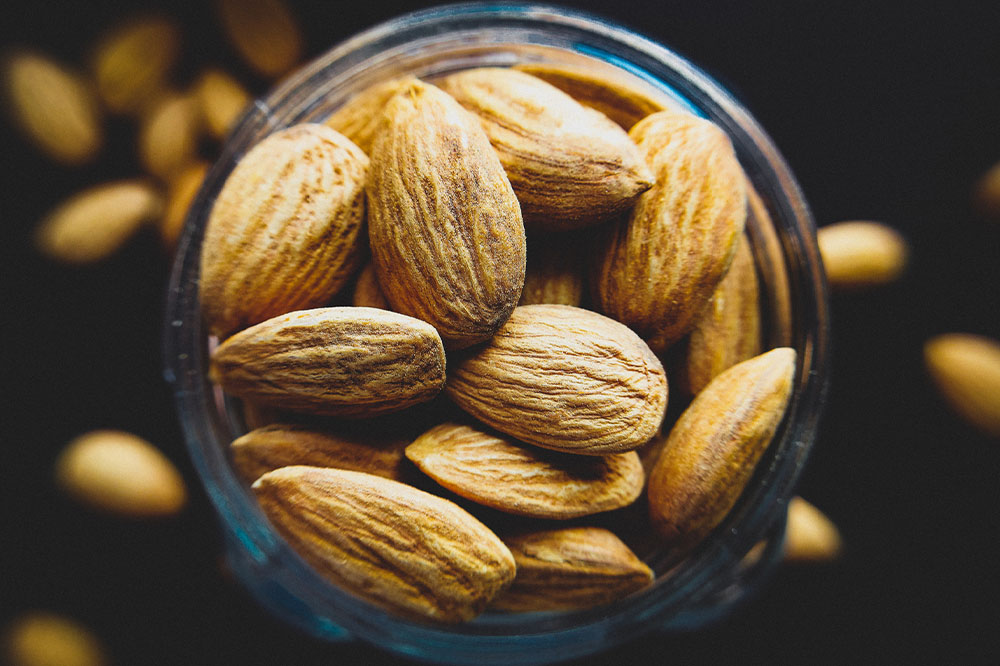
Almonds are a healthy source of phosphorus, riboflavin, magnesium, and manganese. Regular consumption of almonds has been associated with reduced risk of chronic diseases such as type-2 diabetes and heart conditions due to their fiber, antioxidant, and monounsaturated (healthy) fat content. Almonds are also a source of melatonin, which helps regulate the internal body clock and signals the body to prepare for sleep. Although there aren’t detailed studies available linking almonds with sleep, their melatonin and magnesium content is generally attributed to improved sleep quality.
Turkey
Lean white meats such as chicken and turkey contain tryptophan, an amino acid that is found in certain proteins. Tryptophan helps the body produce serotonin, which can help stabilize one’s mood and sleep cycle. Serotonin is also vital for producing melatonin, an important hormone for regulating one’s sleep. According to certain studies, eating foods rich in tryptophan can help increase sleep efficiency and reduce sleep fragmentation for people aged 55-75.
Those looking for vegan sources of tryptophan can turn to quinoa, kidney beans, chickpeas, and bananas.
White rice
White rice, although low in fiber and other nutrients compared to brown rice, is still a good source of folate, thiamine, manganese, and carbohydrates. It is a common staple in many households and cultures and ranks significantly high on the glycemic index. Due to its ability to raise blood glucose levels, white rice can help improve sleep quality when consumed at least one hour before bed. However, it is best to consume it in moderation due to its high-carb and low-fiber content.
Walnuts
Walnuts are an excellent source of fiber, magnesium, phosphorus, manganese, protein, and copper. They can help improve heart health and reduce high cholesterol levels. They also contain melatonin, which can help improve sleep quality. Walnuts are a popular vegan source of alpha-linolenic acid (ALA), such as omega-3. This converts to DHA in the body and can boost serotonin production to help stabilize moods and improve sleep.
Chamomile tea
Chamomile tea has been popularly associated with having relaxing and soothing effects. This is because of its flavone content, which are antioxidants that can reduce inflammation. According to certain studies, chamomile tea also helps boost the immune system, reduce anxiety and depression, and improve skin health. Chamomile tea contains an antioxidant called apigenin, which binds to certain receptors in the brain to promote sleepiness and reduce insomnia. This can help improve one’s sleep quality as well.
Passionflower tea
Passionflower tea is another common herbal tea that can help enhance health and sleep quality. It is a rich source of flavonoid antioxidants which can help reduce inflammation, boost the immune system, reduce the risk of heart disease, and lower anxiety levels. It also contains apigenin, which binds to brain receptors to produce a calming effect, like chamomile tea. In addition, passionflower tea has also been linked to an increased production of gamma-aminobutyric acid (GABA), which inhibits the production of stress chemicals like glutamate in the brain. These qualities may improve sleep quality if one consumes a cup of passionflower tea before bedtime.
Kiwi
Kiwis are low in calories and highly nutritious. They are a rich source of vitamin C, folate, and potassium. Eating kiwis has been linked to improved digestion, reduced inflammation, and lower cholesterol levels due to its high fiber and carotenoid content. Furthermore, studies have shown that eating 1-2 medium kiwis before bed can help improve sleep quality, as they boost the production of serotonin in the body.
Tart cherry juice
Tart cherry juice contains healthy nutrients like magnesium, phosphorus, and potassium. It is a rich source of antioxidants like anthocyanins and flavonols. Tart cherry juice has also been shown to improve sleepiness and reduce the occurrence of insomnia due to its high melatonin content. According to one study, adults who consumed 8 oz. of tart cherry juice twice a day for two weeks reported better sleep quality and slept for longer than when they didn’t drink the juice. However, more research is needed to bolster the link between tart cherry juice and sleepiness.
Other antioxidant-rich foods that improve sleep quality include pecans, blueberries, strawberries, raspberries, artichokes, and kale.
Fatty fish
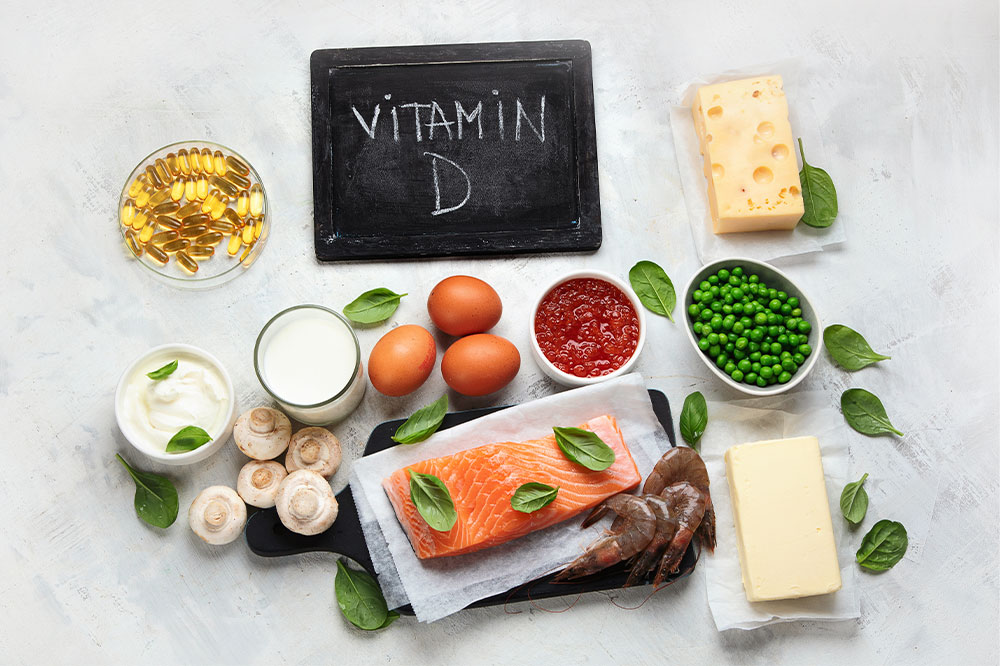
Fatty fish such as salmon, mackerel, tuna, and sardines are an excellent source of protein, vitamin D, and omega-3 fatty acids such as eicosapentaenoic acid (EPA) and docosahexaenoic acid (DHA). EPA and DHA have been linked to reducing inflammation in the body, protecting against cardiovascular diseases, and boosting brain health. Omega-3 fatty acids and vitamin D have been linked with increased production of serotonin, which can significantly improve sleep quality.
For vegan sources of omega-3 fatty acids, one can also turn to flaxseeds and chia seeds.
Dairy
Drinking warm milk before bedtime is a popular tradition in many households. This is because dairy products like milk, yogurt, and cheese are also high in tryptophan and vitamin D, boosting melatonin production and promoting sleepiness. For best results, consuming dairy products with carbohydrates is recommended, as this allows tryptophan to enter the brain easily to improve serotonin levels. Some popular healthy pairings include cheese and crackers, and yogurt with granola.
Apart from these foods, several others have also been linked with improved melatonin production. These include strawberries, peppers, mushrooms, barley, and pistachios. Magnesium-rich foods like dark chocolate, spinach, cashews, tofu, and Brazil nuts can also help support sleep.