10 simple tips to use food vacuum sealers
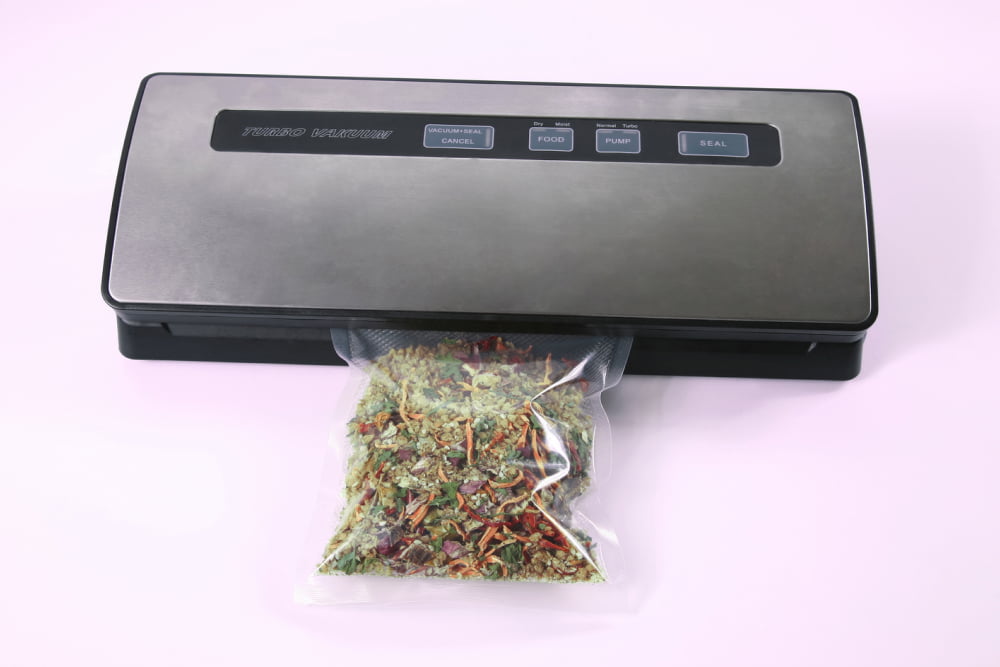
Whether one wants to pack food at home or in a commercial setting, a food vacuum sealer can be considered. The machine helps increase the shelf life and freezer storage of food. The process removes oxygen, which is a leading factor in food degradation. However, using food vacuum sealers isn’t straightforward and may require prior knowledge if one is a first-time user. So, here are ten handy tips to help one use this product.
Pick the right sealer
Before sealing any food item, picking the ideal machine for the job is important. If one wants to vacuum seal liquids or foods in jars, a standard vacuum machine cannot remove the oxygen and seal it. Moreover, some home-use sealers may not accommodate the sizes of items one wants to preserve in the house. One should see if additional features are available and pick the right one. Those who wish to pack several items in less time should look for sealers that are fast enough to handle such loads.
Freeze meats before sealing
One of the best ways to preserve meat is to freeze them before sealing them. This is because many types of bacteria thrive at room temperature, and doing so could help minimize their growth. Furthermore, freezing food before thawing it first could make it safer and ensure the cuts are more delicious. Placing meat in the freezer before sealing helps preserve all juices during storage, which is helpful if one decides to cook later.
Use folded wax paper to cover sharp food edges
Sealing meats, beef jerky, and dehydrated foods is tedious, especially if the bag is thin. Even thick bags might get punctured because of the sharp edges these foods may have. One could use wax paper to cover these sharp edges and serve as a layer of protection. It could help create an airtight seal that is free from punctures.
Label bags
Some vacuum sealer bags and rolls come with writable labels to help keep foods organized. One could write the stored food’s dates, contents, quantity, and preparation instructions. The individual should label the bags before vacuum sealing as it could be difficult to write on bumpy surfaces. Using writable labels makes it easy to identify various foods and avoid mixing one recipe with the other.
Let the food cool down
Warm food usually creates condensation that could trap moisture in the bag. Even with a proper vacuum and air removal, water may lead to freezer burn in frozen storage. One should wait to move foods into vacuum barrier bags until the preparation cools down. Doing so ensures that less moisture builds up on the interior of the package and avoids food degradation.
Do not overfill the bag
When using a food vacuum sealer machine, leaving a gap of at least 2 to 3 inches between the seal area and the stored food in the bag is important. Some people fill the bag fully before sealing it, negatively impacting the machine’s efficiency. Therefore, leaving some space in the bag is recommended to create a good and safe seal.
Inspect seals regularly
One might often seal a bag of raw or precooked food and leave it in storage for days, weeks, or months under the impression that the food will stay fresh. However, many factors could affect and compromise the quality of a seal, which may result in oxygen getting in and the food going stale. Therefore, one must regularly inspect sealed food for punctures or leakages. They should cut the sealed section and reseal it once more if this is noticed.
Flash-freeze produce
Before sealing various types of produce, one should flash-freeze the foods to preserve their national value. Doing so could also make the vacuum sealing process more straightforward. One must arrange the fruits and vegetables on a baking sheet and freeze them for a few hours. The individual should follow this by vacuum sealing the produce and storing it once it is frozen. The process also helps prevent freezer burn and makes it easy to grab individual servings if required.
Clean fruits before sealing
Sealing food without proper cleaning could result in dirt and other contaminants being trapped inside or on the bag’s lining. A few remnants could include herbs, spices, or juices, which could ruin the seal region. The machine uses heat to fuse the plastic edges, so any dirt, debris, or wrinkle in the bag could prevent a proper seal from forming. One should wash vegetables or peel them before placing them in the bag. Moreover, if something is trapped in the seal area, the two sides of the bag will not touch and won’t seal.
Wash hands and wear gloves
One should wash hands thoroughly or wear gloves when dealing with raw foods. This step will help prevent bacteria from getting into the food and prevent it from getting spoilt. Foods are usually cooked after being removed from a bag, which destroys the bacteria. However, the products might have already been cooked at other times and must be warmed. If the meat or leftovers are not heated thoroughly to kill bacteria, it could trigger health complications.