10 roofing mistakes to avoid when renovating a home
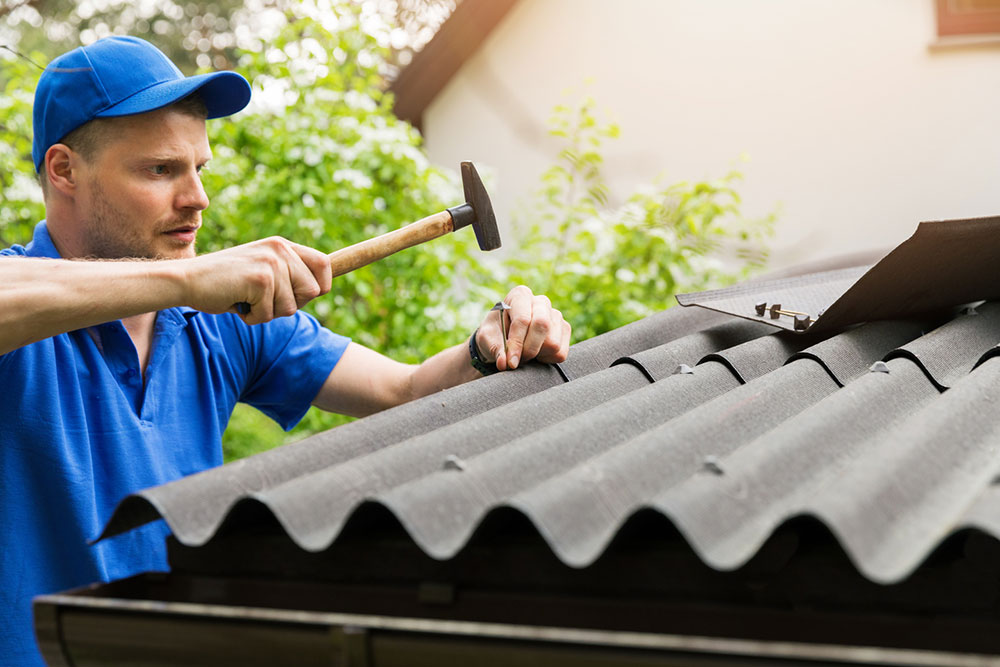
If there were no roofs in structures, one would have to directly bear the brunt of harsh sunlight, heavy downpours and snow, rough winds, and extreme weather, not to mention birds, reptiles, and insects, making the place all their own. However, the roof is directly exposed to all such factors, so a fragile roof is subject to continuous wear and tear. To prevent such a scenario, here are some roofing mistakes one should avoid:
1. Not installing a cricket over the chimney
Cricket is a tiny ridge placed over a chimney, and its main function is to prevent water from entering the chimney. Usually, it is made of wood and is an important part of the roofing structure, especially if one lives in a rain-prone zone. It helps prevent leakage and shouldn’t be missed while building a roof.
2. Selecting the wrong roofing materials
There is no dearth of roofing materials on the market, but not all of these materials may suit all types of structures. For example, asphalt shingles are extremely popular choices for roofs all over the country, but that’s mainly because of the steep pitch that most residential structures in America have. So, if one has a low-lying roof, asphalt shingles may not be the best choice; in such cases, materials like ethylene propylene diene monomer and sheet metal may be better options to prevent leakage. Such factors need to be considered while selecting a roofing material.
3. Incorporating less or no flashing
Flashing is essentially a plastic, composite, or metal barrier used to prevent water seepage and leakage from roofs. Having sufficient flashing prevents potential damage to the structure’s walls, so it is important to install enough flashing between roofs and walls. One should consult a professional to understand the level of flashing required.
4. Not ensuring proper ventilation in the attic
The attic is an important component of the roof, and by overlooking it, one can incur major damage eventually. For starters, the attic should have proper ventilation because the roof can get damaged if it becomes too hot and also increase maintenance costs. One way to keep the attic cool is to install rafter vents between the roof and the attic. Although attic fans may also be installed, rafter vents are more energy-efficient in the long run.
5. Failing to secure a roofing permit
A roofing permit ensures that one’s roof is safe and adheres to building regulations set in that particular area. Most local municipalities require one to secure a roofing permit before starting to build a roof. Without a roofing permit, one may have to abruptly stop the roof construction and pay fines as per the local rules. So, to avoid such hassles, it is best to secure a roofing permit before starting a roofing project.
6. Forgetting to add a roofing underlayment
After removing the old shingles or tiles, many people make the mistake of directly installing the new roofing on the deck. But a crucial step before doing this is to add a roofing underlayment, which protects the roof from water seepage and corrosion because of moisture. It increases the durability of roofs, so adding a roofing underlayment is highly recommended.
7. Not fastening the shingles properly
Shingles, or the rectangular blocks covering a roof, are the building blocks of roofs and need to be installed properly to prevent damage. Even if one is using shingles made of a durable material like asphalt, proper installation is crucial to ensuring that the roof lasts a long time. Also, proper nails should be used in this process, with ideally-sized caps to fasten the shingles firmly onto the roof.
8. Leaving the roof nails exposed
Many people tend to leave roof nails exposed after constructing their roofs. But doing so can cause water to seep inside and moisture to build up, so mold and mildew begin to form with time and end up damaging the roof. So, one should never forget to cover the roof nails to prevent such damage.
9. Not allowing shingles to hang over the roof
A common mistake is to lay shingles so that they stop where the roof ends. Shingles should always hang over the roof so that water is directed toward the drainage on the ground during rains or if there’s a leakage. At the same time, the overhang shouldn’t be too much because there is a risk of the roof being blown away in the event of harsh winds. Ideally, the shingle overhang should be about half to three-quarters of an inch from the drip edge.
10. Not taking steps to prevent ice dams in cold climates
Ice damming is quite common in cold climates because when melted snow refreezes on roofs, water can seep under the shingles. This can cause leakage and moisture buildup, making the roof a breeding ground for mold and mildew. So, when one is installing a roof in an area with a cold climate, one should take active steps to prevent ice damming. One way to do so is to ventilate the attic properly. Using electric de-icing cables can also help avoid this phenomenon.
Building a roof from scratch requires a lot of consideration because it is an expensive affair and should be a long-term one. One should set a clear budget and seek assistance from professional roofers to prevent any potential problems.