10 pitfalls to avoid for the perfect BBQ experience
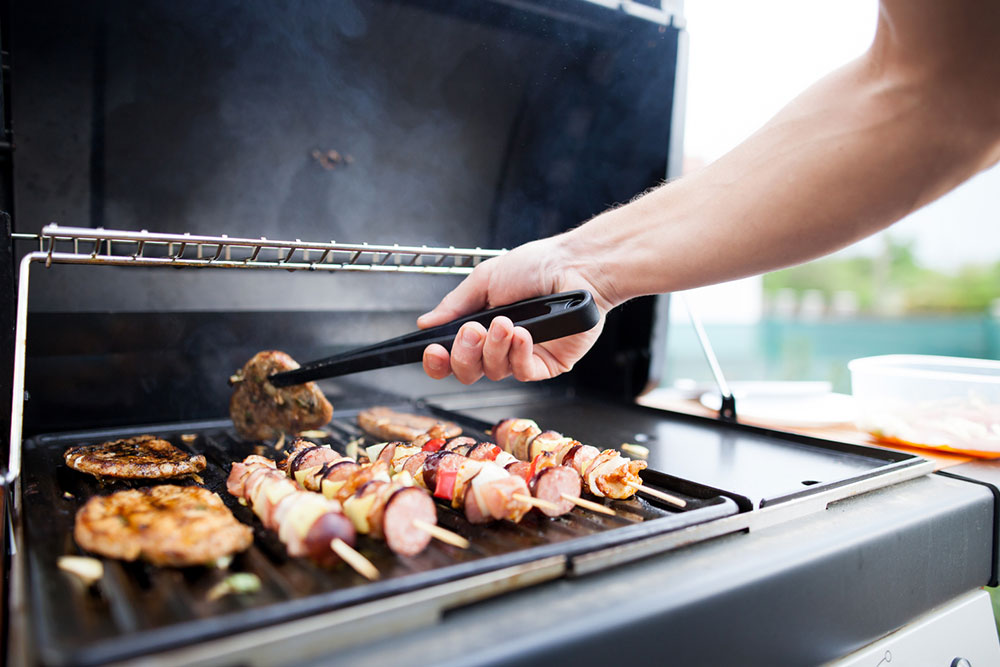
Grilling outdoors is a cherished pastime, an art form that transforms meals into flavorful masterpieces and gatherings into memorable experiences. The sizzle of marinated meats, the smoky aroma that wafts through the air, and the anticipation of that first delicious bite—it’s a culinary adventure like no other. Yet, amidst the thrill of creating culinary magic, there are certain pitfalls to avoid. This guide unveils the crucial knowledge every grill enthusiast should possess.
Neglecting proper preheating
One of the most frequently overlooked steps in grilling is preheating the grill adequately. Whether using a charcoal, gas, or electric grill, individuals must understand that this step is essential for achieving even cooking results. Failing to preheat can lead to unevenly cooked food and affect the overall flavor. To avoid this, individuals should allow their grill to heat up for at least 15-20 minutes before placing food on the grates.
Proper preheating also has the added benefit of lowering the chances of food sticking to the grates. When the grill is at the right temperature, the metal expands, creating a smoother cooking surface. This simple step not only enhances the grilling experience but also ensures that the food is cooked to perfection.
Ignoring grill maintenance
Proper grill maintenance is paramount for ensuring its longevity and optimal performance. Neglecting regular cleaning can lead to the accumulation of grease, food residue, and even rust, which can affect the flavor of grilled dishes. It is advisable to clean the grates after each use and give the grill a thorough cleaning at least once a month. Additionally, individuals should check for any signs of wear and tear and replace parts if needed.
Regular maintenance also includes inspecting hoses, valves, and connectors for any signs of wear or damage. A faulty component can lead to gas leaks or uneven heat distribution. By addressing these issues promptly, grillers can ensure that their equipment remains in top condition, allowing for safe and efficient grilling.
Using lighter fluid improperly
Improper use of lighter fluid can pose significant safety risks. Using excessive fluid or applying it to already lit coals can lead to flare-ups, potentially causing burns or accidents. Instead, individuals should consider using alternative ignition methods like chimney starters or electric starters. These methods are safer and more controlled, reducing the risk of mishaps.
Additionally, chimney starters are more environmentally friendly as they eliminate the need for lighter fluid altogether. They rely on simple physics, utilizing paper and charcoal to generate the necessary heat for ignition. By adopting these alternative methods, grillers can ensure a safer and more eco-conscious grilling experience.
Neglecting safety measures
Grilling safety should always be a top priority. Individuals must ensure that their grill is placed on a stable, flat surface, away from any flammable materials. Keeping a fire extinguisher nearby in case of emergencies is essential. Investing in heat-resistant gloves can protect hands while handling hot grates or utensils.
Furthermore, grillers should be mindful of their surroundings. Overhanging branches, awnings, or other structures can pose fire hazards. Creating a designated grilling area that is clear of potential dangers ensures a safer environment for the griller and those enjoying the meal.
Overlooking proper meat preparation
A crucial aspect of successful grilling is proper meat preparation. Individuals should take the time to marinate and season their meats before they hit the grill. Allowing meat to come to room temperature before grilling helps promote even cooking. Additionally, patting meats dry with paper towels removes excess moisture, enabling better searing and flavor development. Moreover, marinating meats not only imparts flavor but can also aid in tenderizing tougher cuts. It’s essential to consider the type of marinade used and the recommended marination time for different meats. This attention to detail ensures that the flavors are well-balanced and that the final dish is a culinary delight.
Opening the lid too frequently
Constantly lifting the lid to check on the food disrupts the cooking process by letting out heat and smoke. This can lead to unevenly cooked dishes and longer cooking times. Instead, individuals should trust their temperature settings and only open the lid when necessary. Using a meat thermometer to check the food without needing to lift the lid excessively is a wise practice. It not only prevents overcooking or undercooking but also guarantees food safety. Different types of meat have specific internal temperature recommendations, and using a thermometer takes the guesswork out of achieving the perfect level of doneness.
Not allowing the meat to rest
After grilling, it’s crucial to allow meats to rest before serving. This process allows the juices to be redistributed, resulting in juicier and more flavorful dishes. A good rule of thumb is to let meat rest for approximately 5-10 minutes before slicing or serving.
Additionally, resting meat gives the fibers time to reabsorb some of the moisture lost during cooking. This ensures that the meat retains its succulence, resulting in a more satisfying eating experience. Patience in this step pays off in the form of tender, juicy, and delicious grilled dishes.
Not ensuring proper ventilation for charcoal grills
For charcoal grills, proper ventilation is essential to control temperature. Failing to adjust vents accordingly can lead to temperature fluctuations, making it challenging to achieve consistent results. Understanding how to regulate airflow through the vents is key to mastering charcoal grilling.
The bottom vents control the amount of oxygen that reaches the coals, affecting the intensity of the fire. Meanwhile, the top vent allows excess heat and smoke to escape. By learning to manage these vents, grillers can fine-tune the temperature, achieving precise control over the cooking process. This mastery leads to beautifully grilled dishes with the perfect balance of char and tenderness.
Not practicing food safety
Practicing safe food handling is paramount when grilling. Individuals must prevent cross-contamination by using separate cutting boards and utensils for raw and cooked foods. Investing in a reliable meat thermometer to ensure that meats are cooked to a safe internal temperature reduces the risk of foodborne illnesses.
Furthermore, it’s important to consider the cleanliness of surfaces and utensils throughout the grilling process. Proper sanitation practices, including regular handwashing, help prevent the spread of harmful bacteria. By adhering to these food safety principles, grillers can confidently enjoy their meals, knowing that they are both delicious and safe.
Ignoring the environmental impact
Grilling enthusiasts should also consider the environmental impact of their chosen grilling methods. Opting for eco-friendly practices, such as using natural charcoal or electric grills, can help minimize the environmental footprint associated with grilling. Additionally, choosing sustainably sourced meats and vegetables contributes to more responsible grilling.
Natural charcoal, made from renewable resources like wood, is a more eco-conscious choice compared to briquettes that may contain additives. Electric grills are also an environmentally friendly option as they produce no direct emissions. By making these choices, grillers can enjoy their outdoor cooking adventures while minimizing their impact on the environment.