10 Important Questions to Ask a Dermatologist
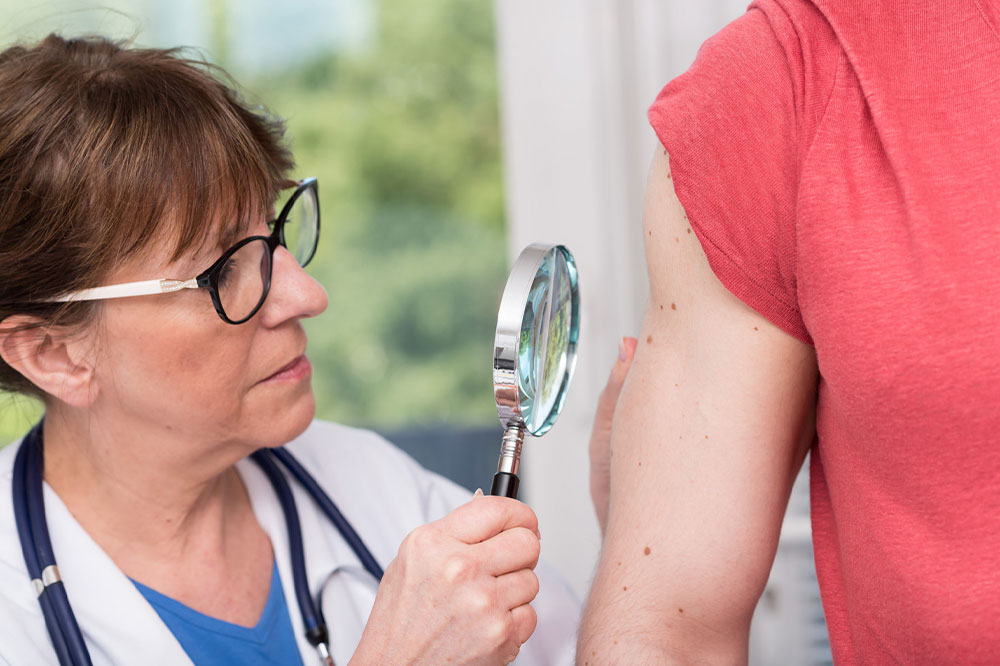
There is so much information on skincare floating around – from beauty bloggers and magazines to old wives’ lore tales. Sifting through this to find what truly works for your skin can sometimes feel like a herculean task. What happens to your skin can sometimes indicate what is happening within your body. Here are a few questions to ask your dermatologist at your next appointment to improve your skin’s health and glow:
How should I regularly prevent and screen for cancer?
Skin cancer is a frequently diagnosed type of cancer in the country. Despite this, very few people get checked for the condition regularly. According to certain experts, when caught early, there is a 99% survival rate for those with skin cancer. That is why it is important to have a candid conversation with your dermatologist to discuss your risk factors and family history and possible ways of screening and prevention.
How should I monitor my moles?
Sometimes, your moles may be a cause of concern. It’s crucial to stay aware of any warning signs of skin cancer because no one knows your body better than you do. Follow the ‘ABCDE’ test to recognize signs of melanoma at home:
Asymmetry : Is one half of the mole different from the other?
Border : Does the mole have an irregular border?
Diameter : Is the mole increasing in size?
Elevation : Is the mole elevated from the skin’s surface?
Color : Has the color of the mole changed recently, or is it exhibiting multiple colors?
If any of these is a worrying factor, it is important to consult a dermatologist.
What is my risk for skin cancer?
According to the American Academy of Dermatology, 1 in 5 people in the country get skin cancer at some stage. Several factors can increase your risk for skin cancer, such as:
Being older. The average onset age for basal and squamous cell carcinoma is 50 or higher.
Having skin that sunburns easily
Having a history of other cancers
Having a weakened immune system or living with an auto-immune disease
Having previous blistering or severe sunburns. According to some experts, having five bad sunburns in your life doubles your risk of developing melanoma.
Having a history of atypical moles
A family history of skin cancer
Using indoor tanning beds
Using immunosuppressants
How often should I visit a dermatologist for a skin exam?
Scheduling annual visits with the dermatologist for a skin exam is appropriate for people with a personal or family history of skin cancer. People with a history should visit a dermatologist every six months to detect any changes or problematic skin growths early.
How does my food affect my skin?
The food we eat provides nutrients and hydration to our skin. Vitamin and mineral-rich foods can help keep the skin looking soft, healthy, and supple. On the other hand, food allergies and highly processed foods can cause breakouts and make the skin appear itchy and inflamed. Foods such as potatoes, white bread, white rice, and other sugary foods and drinks with higher glycemic index can also trigger inflammation and acne.
The following foods generally help maintain healthy skin:
Antioxidant-rich fruits and vegetables, such as spinach, blueberries, artichokes, strawberries, raspberries, grapes, beets, and kale, can help fight the effects of aging.
Including omega-3 fatty acid-rich foods like salmon, mackerel, walnuts, and avocados in your meal plan can assist in restoring lipids that aid in preserving moisture within skin cells.
What causes adult acne?
There are several reasons behind acne in adulthood. Hormone fluctuation is a leading cause of adult acne among women. Another common cause of adult acne is stress and improper eating and resting patterns. Acne could also result from clogged oil glands or inflammation of white or blackheads. Consulting a dermatologist can help you identify the causes of acne and form an effective treatment plan.
Do I need an eye cream?
The answer to this question will vary depending on the other products you are currently using. If you have delicate skin and are concerned about the skin around your eyes, speak to a dermatologist. They can help you with prescription products with vitamins and retinoids to help you save time and money and keep your skin looking bright and hydrated.
How do I protect myself from the sun?
Your dermatologist can help you with several strategies to protect yourself and your loved ones from the sun and minimize the risk of skin cancer. Some of these include:
Wearing wide-brim hats
Wearing ultraviolet protection (UPF) clothing while at the beach or in a sports field to shield your body from the sun
Using sunscreens with SPF 30-50. Sunscreens with zinc oxide or titanium can help provide better protection. Reapply sunscreen every two hours.
How do I take care of my skin in a cost-effective manner?
Often, skin care products are associated with high prices. But taking care of your skin shouldn’t have to be an expensive affair. To take care of your skin on a budget, opt for:
A gentle daytime dual sunscreen/moisturizer. Look for a sunscreen with broad spectrum protection (UVA and UVB), tinted coverage, and antioxidants.
Wash your face with a gentle cleanser at the end of each day
An evening moisturizer with retinol can help improve collagen production and reduce breakouts.
Speak to your dermatologist for more details and advice on choosing the right products based on your skin type.
How often should I exfoliate?
With so many exfoliators to choose from, it can be tough to determine which one will work best for your skin. Some of them can be extremely harsh and break the skin’s barrier. Speak to your dermatologist about your skin’s exfoliation requirements, and they will suggest a product that works for your skin, along with advice on how often to use it for the best results.