10 human foods that are safe for dogs
Many pet owners tend to share their own food with their pets. After all, it can be hard to say no to the puppy eyes watching you while you cook or eat. However, humans and dogs metabolize food differently, and so, what is safe and healthy for you can be dangerous for your four-legged companion. So, here are a few safe and delicious human foods that even dogs can enjoy:
Peanut butter
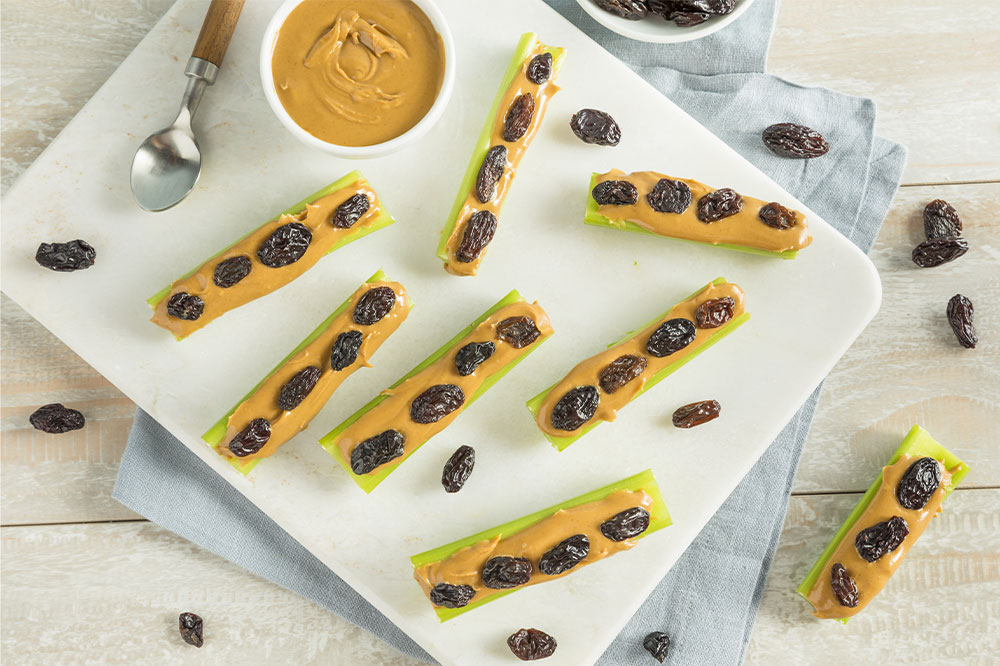
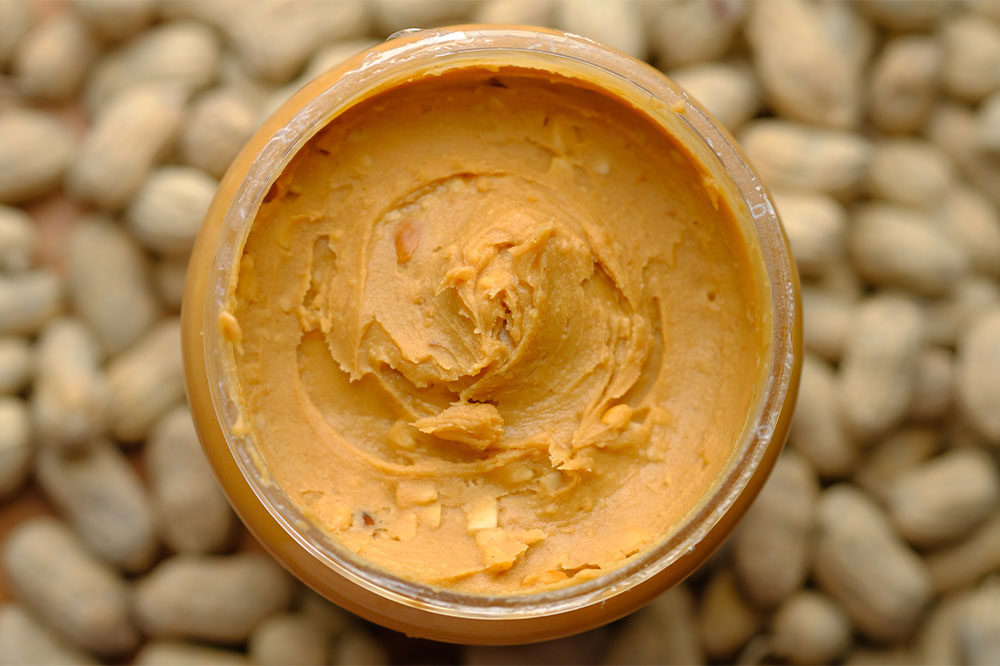
Not just us, even dogs can’t get enough of peanut butter. Fortunately, it is safe for dogs and contains nutrients like healthy fats, vitamins B and E, protein, and niacin. However, it is high in fat and calorie content, so overindulgence can lead to health issues. Also, plain peanut butter that does not contain added sugar, salt, or artificial sweeteners, should be offered to dogs.
Chicken
Cooked chicken, without bones and spices, can be a perfect meal for canines. It is one of the best sources of protein, making it one of the most common ingredients in dog foods. Cooked chicken bones should never be given to your pets as these bones can splinter and lead to choking.
Carrots
Carrots can be your go-to choice for veggies that can be shared with dogs. Chewing on bite-sized pieces of carrots can help remove plaque from their teeth. As the vegetable is rich in vitamin A, it can boost your dog’s immune system as well as improve the appearance of their skin and coat. You can feed your dog raw or cooked carrots in bite-sized or chopped portions to avoid choking.
Salmon
As long as it’s cooked and boneless, salmon is safe and even healthy for dogs. As a fatty fish, salmon is an excellent source of omega-3 fatty acids, which are healthy fats that can reduce inflammation and help maintain canine skin and fur. Salmon also contains large amounts of protein and other essential nutrients.
Yogurt
Plain yogurt containing live and active cultures is packed with protein, calcium, and good bacteria can improve your pet’s digestive health. However, not all dogs can digest yogurt, so start by serving a little at a time and check for any signs of lactose intolerance, like diarrhea, vomiting, bloating, or flatulence.
Bananas
This tasty and nutritious fruit contains a high amount of sugar and so it can be an occasional treat for dogs. Banana also contains high levels of magnesium, which can boost your pet’s bone health. Additionally, they are loaded with potassium, biotin, and fiber, all of which are essential nutrients for dogs.
Eggs
You can share your favorite egg recipes with your pup without worrying about harmful effects. Eggs are loaded with protein and offer an array of healthy nutrients, such as biotin, calcium, riboflavin, and selenium, among others. However, do not feed your dog raw eggs as it would increase the risk of contracting a salmonella infection or developing biotin deficiency.
Green beans
These are among the healthiest options as green beans contain essential nutrients, like fiber, folic acid, magnesium, calcium, iron, potassium, vitamins A, C, and K, and omega-3s. As beans are also high-fiber and low-calorie options, they can help dogs feel fuller for longer. Plain beans that are not covered in seasoning, butter, or oil should be fed to your dog.
Sweet potatoes
Sweet potatoes are perfectly safe for canines when eaten in moderation. They are a great source of fiber and are rich in vitamins A and C, potassium, and other essential nutrients. Avoid serving your dog raw sweet potatoes; it is also important to remove the skin and cook sweet potatoes to a soft consistency to prevent choking. It is best served unseasoned.
Blueberries
These tiny, delicious fruits are chock-full of potent antioxidants that can help your dog fight various health conditions. Further, they contain large amounts of fiber, vitamin C, and other nutrients beneficial for a dog’s health. Blueberries are an excellent snack any time of the day thanks to their small size and low-calorie content.
While these foods are safe and healthy options, the best way to ensure that your dog gets all the nutrients is to give them food that is made for them. So, here are a few popular dog food brands and subscription services that offer high-quality meal options:
Royal Canin
With over 50 years of experience in the pet food industry, Royal Canin has mastered the art of formulating recipes that provide the exact essential nutrients for dogs of all ages and that cater to their health needs.
Natural Balance
The brand is a pioneer in producing limited-ingredient pet foods without sacrificing nutrition. Natural Balance also sells healthy dog foods and treats based on targeted nutrition that caters to your pet’s unique needs.
Nutro
The brand offers dog food products under 4 product sublines: Natural Choice™, So Simple™, Nutro Ultra™, and Limited Ingredient Diet. Its recipes are nutrient-dense, flavorful, and contain high-quality and non-GMO ingredients. Nutro lets customers choose products based on their dog’s breed, size, preferred flavor (chicken, beef, and fish, among others), and product type (dry, wet, and treats).
Just Right
This monthly subscription service delivers dog food based on your specifications. The brand develops customized recipes for your dog, taking into account all their nutritional needs with the help of a 5-minute starter quiz. Just Right’s subscription service is flexible and can be modified or canceled at any time.