10 common shipping mistakes and how to avoid them
Shipping makes life easier for consumers as it facilitates the delivery of goods and helps businesses expand their reach. But even a single error with shipping can result in a waste of time and money and possible loss of customers for businesses. Hence, shippers must be very careful while shipping products across long distances. Streamlining shipping processes is a must to increase efficiency and send goods across on time. Here are some common shipping mistakes to avoid:
Not packing the parcel properly
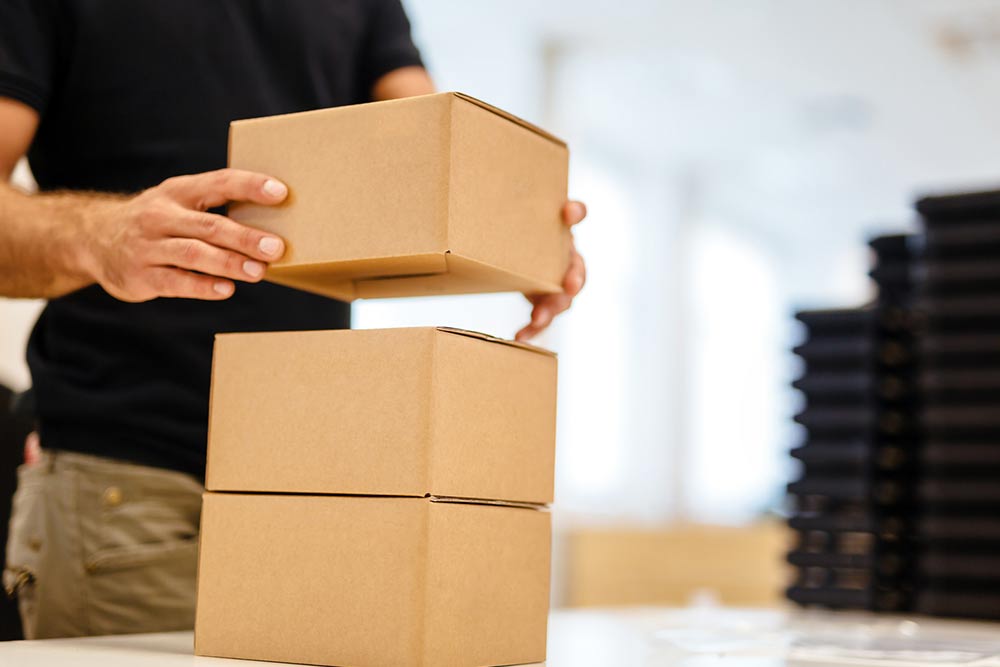
Sometimes, shippers overlook the importance of packaging, especially if the product is sturdy and not likely to break. But no matter how strong the product is, proper packaging ensures it reaches the recipient in good condition. It is usually easy to identify if a product has been packaged properly or needs a different packaging solution. For example, the product may hang out of the pallet on which it is shipped, which means that a pallet of a bigger size is needed. Stacking items methodically can help fit all the products securely in a package. One should use other packaging items like bands and stretch wraps if necessary.
Writing incorrect information on the Bill of Lading
Shippers need to mention details of their shipments and provide their signatures in a Bill of Lading (BOL) document. The document also lists the fiduciary duties of shippers and suppliers, so it is an important contract. All the details in a BOL document should be accurate, including the number of products inside the parcel and its total value. Weight and freight class is another category that needs to be estimated correctly. Companies should be careful to mention accurate parcel details because wrong information can affect their reputation.
Not using an online shipping platform
Being old school may not be the most productive strategy when it comes to shipping. These days, there are several online platforms that automate shipping, with many plugins for tracking, calculating the amount, labeling, and helping with logistics. These features are convenient for both shippers and recipients, so it is a great idea to use an online shipping platform.
Relying on the services of one carrier
Sometimes, businesses may use only one carrier for all their shipments. But this might be restrictive because other carriers may have more options, especially when it comes to international shipping. One way to explore is to find out which shipping carriers offer the best services locally and internationally so one can have different carriers for each. Some online plugins provide access to all the relevant carriers in one place, so even these may be used.
Disposing of delivery receipts
Businesses cannot be held responsible if a shipment is damaged during transportation. So, if a product gets damaged during shipping, businesses should be able to prove that it was damaged during shipping and not at the packaging stage. Procuring delivery receipts at every stage of the supply process helps shippers trace at what stage of supply the damage took place so that they can demonstrate to their customers that they had not shipped an already damaged product.
Not labeling the product correctly
Shipments need to be labeled correctly so that they are shipped to the right places and live up to the set quality requirements. These days, there are many online platforms that read product barcodes and print accurate shipping labels. Companies shipping their products should use such technology to save time and be more accurate with their labeling.
Overlooking the importance of pallets
Pallets are incredibly useful in handling heavyweight shipments and preventing damage. Also, many shipping carriers have made it compulsory for shippers to use pallets for all their shipments. And if the shipper fails to use one, they may levy additional charges while palletizing the products. To avoid all these hassles, it is best to find a pallet of the right size for shipments and place packaged goods on them, securing them to the pallets properly. Dense, sturdy hardwood or plastic pallets are the best bets for shipping.
Not knowing shipping regulations for different countries
Shipping regulations differ among countries and help ensure the safety of shippers, suppliers, and end users. So, while shipping internationally, shippers should be aware of the regulations in the recipient’s country and follow all the required procedures, like filling up additional forms or paying any extra charges. If one is not very confident about understanding these regulations, it is best to hire a reliable freight forwarder to help with the process.
Not taking freight insurance
Freight insurance protects shippers if the shipment gets damaged or lost along the way. If shippers do not have freight insurance, they would have to pay for such damages, which can burn a hole in their pocket. While choosing a freight insurance company, one should compare premium rates and check the company’s reliability and records so that they receive financial compensation promptly if anything happens to the shipment.
Choosing a carrier that does not offer proper tracking
Tracking in real-time is important for shippers as well as recipients. So, one needs to choose a shipping carrier that has a proper tracking system in place. Also, its customers need to be prompt so that they can immediately contact the company in case of any problems.