10 common safari mistakes to avoid
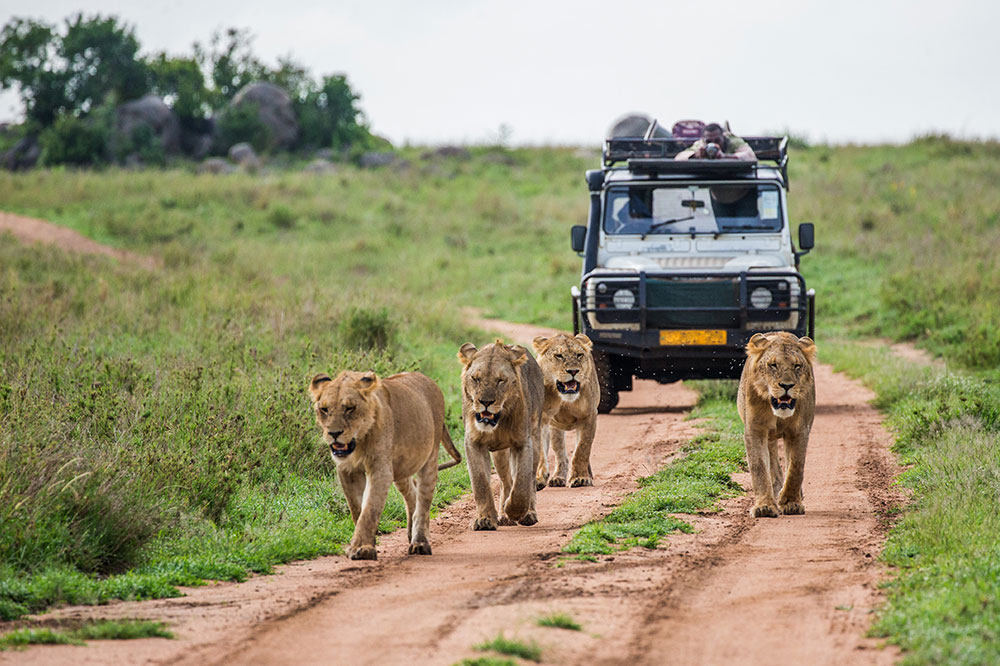
Embarking on a safari is a dream come true for many nature enthusiasts and wildlife lovers. The thrill of observing majestic animals in their natural habitats and witnessing breathtaking landscapes is an experience like no other. However, to make the most of your safari, it’s essential to avoid mistakes that can hinder your enjoyment and impact the overall experience. So, gear up and explore the wonders of the wilderness while sidestepping these ten common pitfalls!
Inadequate research
One of the most common errors safari-goers make is not researching enough. It’s a grave mistake not to use the time available beforehand and go on a safari unprepared. A few days before the trip, gather information about wildlife behavior, the destination’s climate, and the safety precautions to be followed. Not doing so might lead to potential risks and missed opportunities. You may fail to completely grasp the diversity of the area’s wildlife and its unique features and end up limiting your ability to appreciate nature and its wonders. In addition, limited knowledge might result in a lack of preparation for the trip. It might leave you more vulnerable and cost you rare animal sightings that are possible only once in a lifetime.
Poor timing
When it comes to safaris, timing is one of the most important things. If you’re interested in learning about specific animal species, determine the seasons they’re actively sighted in. Not all wildlife species are active throughout the year or even throughout the day. If you don’t plan your safari based on the possibility of your favorite animal’s sighting, it will reduce the chances of your trip’s success. The likelihood of spotting rare species of animals and witnessing them in their natural habitat is pretty slim without proper timing.
Overpacking or underpacking
It’s crucial to strike a balance when packing your stuff for a safari. While overpacking will weigh you and slow you down, underpacking can leave you ill-prepared for changing weather and other situations. As important as it is to pack light, you also need to carefully pick clothes that are breathable and suitable to the climate of the region you’re traveling to. Don’t forget essentials like insect repellents, binoculars, sunscreen, and sturdy shoes.
Neglecting photographic considerations
If you’re going for a safari adventure, you must be excited about the photo and videography opportunities it will present. After all, capturing the wilderness in its beauty is the essence of going on a safari. So, you must consider things like the camera, composition, and lighting that can affect the quality of your photos and videos. If you don’t want to compromise on the quality, make sure you account for the components that will help you capture the magnificence of the scenes you will witness.
Disrespecting wildlife and their habitat
Following the rules and respecting wildlife should be one of your top priorities, irrespective of where you’re going for the safari. Making loud noises, getting too close to animals, and attempting to feed or touch them are things to avoid. These activities can stress the animals or put you and your human companions at risk of an encounter. Disrespecting wildlife can harm the ecosystem and mar your overall experience.
Failure to follow safety guidelines
Every safari destination has its own set of safety rules and regulations. These guidelines are established to preserve wildlife and ensure the well-being of visitors. Ignoring the rules can lead to fines and other severe consequences. If you want to avoid this common safari mistake, you must take heed of your guide’s instructions. Respect all the rules, and don’t venture outside the designated area. Ignoring safety guidelines increases the chances of injuries and accidents and disrupts the region’s natural environment.
Rushing and failing to enjoy the moment
As excited as you are to tick everything off your safari to-do list, rushing from one thing to another will only result in a loss of enjoyment. Safaris are a rare opportunity to bask in the beauty of raw, untouched nature. Rushing through it can cause you to miss out on the mesmerizing sights. This means you’re headed to a superficial experience and will return without experiencing the finer details.
Constant distractions and technology dependency
The digital age is a huge rabbit hole where almost each one of us has been living for a long time. Sadly, even something as magnificent as a safari can sometimes not pull us out. Instead of constantly worrying about the new trend in the virtual world, try staying present in the now. Limit distractions and swap them out for the serenity of the wilderness. Don’t make the mistake of focusing on getting the right snap for social media. Instead, soak in the beauty of nature that surrounds you.
Not engaging with the local guides
Local guides possess invaluable knowledge about the wildlife, landscapes, and cultural significance of the safari destination. Not engaging with them or tapping into their expertise is a missed opportunity to deepen your understanding and appreciation of the environment. So, try interacting with your guides, asking questions, and listening to their stories and insights. Not doing so will deprive you of unique perspectives, fascinating anecdotes, and a richer understanding of the safari’s ecological and cultural context.
Neglecting conservation efforts
Overlooking the importance of conservation and failing to support responsible tourism practices can harm ecosystems and endangered species. It can contribute to habitat degradation, species decline, and the erosion of the very landscapes that make safaris possible, compromising future generations’ ability to experience these incredible environments. So, embrace ethical wildlife encounters, support conservation initiatives, and choose eco-friendly accommodations and tour operators whenever possible.
A safari is a once-in-a-lifetime opportunity for many. So, avoid these mistakes, and you will be on your way to a memorable tryst with wildlife and nature.