10 common fishing mistakes one should avoid
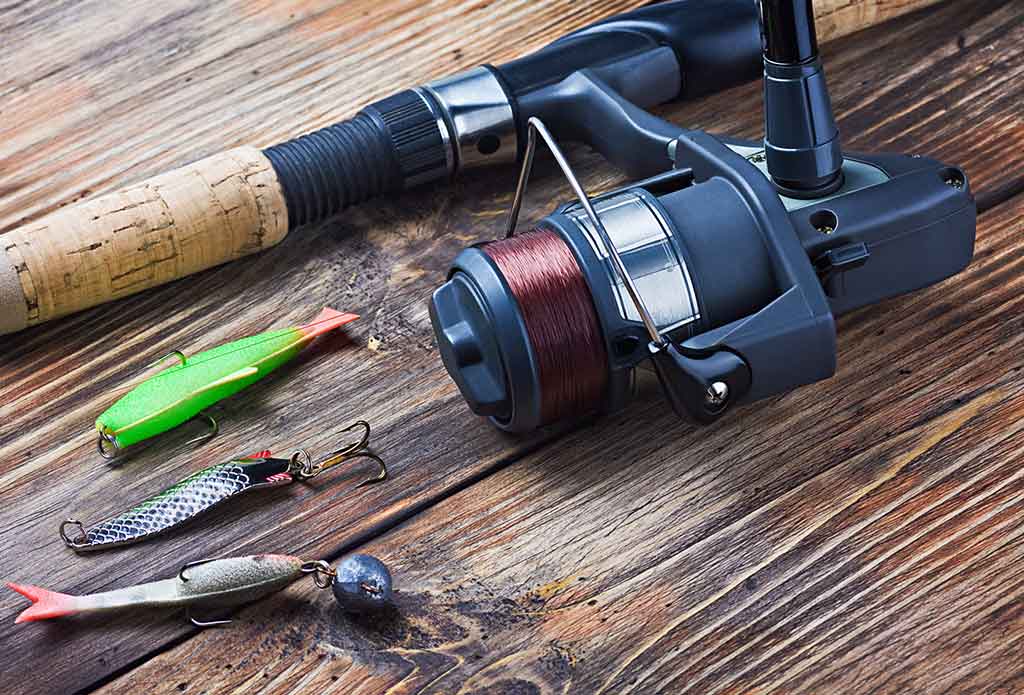
As a beginner angler, one might be excited about the trip, from packing fishing supplies and snacks to casting the reel and making their first catch. However, fishing isn’t as easy as it looks, and there’s a lot that one could do wrong to hamper the overall experience and catch when out in open waters. That’s why one must learn about the ten common mistakes that could be made during the activity and avoid them.
Not preparing in advance
One of the first mistakes people make before going on a fishing expedition is not preparing in advance. They might end up leaving without any proper gear or sometimes none at all. This could hamper the fishing experience and even mess with their first catch. So, before going fishing, one must ensure preparations are made in advance. A few things to remember include researching the ideal fishing spots based on the season and the crowd. One should also ensure all the equipment (rods, reels, bait, and snacks are packed and that they wear fishing gear that matches the weather to avoid inconvenience.
Using the wrong reel and rod
While one could use any reel and rod to go fishing, if it is the incorrect one, the catch might not be as good as expected. That’s why one must purchase and carry equipment appropriately sized for the type of fish they are pursuing. For example, those who pick a 12-pound-class reel might find it heavy for tossing tiny jigs and spinners, which usually attract black crappie. On the other hand, a four-pound-class ultralight rod might be suitable to cast small jigs but may not handle largemouth bass. Therefore, one should do their research to find the ideal rod and reel for the occasion and keep an arsenal of equipment handy in case they need to switch to another rod while fishing.
Too much slack on the line
Slack on the line is one of the biggest errors to make while fishing. A loose line may allow the fish to get away quickly. Moreover, a slack on the line could interfere with one’s control and hold on the road, which may result in dropping the line into the water. So, it is imperative that one does not have too much slack on the fishing line and maintains only how much is necessary.
Fishing in direct sunlight
Most beginner anglers tend to go fishing in open sunlight. While this may work for some good pictures and videos for social media, it will affect one’s fishing experience. Fish are sensitive to heat and will move away from warmer regions. Therefore, if one tries to make their first catch in water in direct sunlight, they might not be successful. Instead, the individual should consider fishing at dawn and dusk in ambient sunlight. Other times to indulge in the activity are places with ample cloud cover or shade to block the sunlight.
Reeling in too quick
It is common for beginner anglers to quickly reel the line from the moment they find something tugging on it. In doing so, the fish on the other line might not stay hooked. And this might happen partly due to the weather situation. Summer heat may turn fish lazy, which means they might not have the energy to hold onto the line if it is reeled too quickly. So, one should take time pulling back the line to ensure they do not miss the catch.
Tying weak knots
Most anglers fishing for the first time might tie basic knots, irrespective of their fishing style. Doing so may not always work, even if one uses a top-quality hook or line. One should ensure that when they tie a knot, it is done properly and is strong. One could try various types of knots, including the snell knot, Palomar knot, uni knot, improved clinch, and the loop knot. The angler should also double-check to see that the knot is secure.
Fighting the fish
Rookie anglers might aggressively pull the line while reeling it in to make their catch but fail. One should first understand their gear and know what they are catching to improve their skill. One should avoid excessive pulling and try to coax the catch to the boat. The angler must apply light pressure and keep the fish’s head up while steering it out of the water. The technique could help reduce the time making the catch and stressing the fish.
Handling the fish without gear
While one might bring the fish to the boat, they might struggle when they try to catch it at the last moment barehanded. To avoid letting the fish go, one should ensure they use proper fishing gear like a fishing net or fish-handling gloves. The equipment could prevent the catch from slipping away and save one from being bitten on the finger or hand while handling the fish.
Playing loud music
Everyone enjoys listening to music during an activity like fishing. However, one should refrain from playing tunes at high volume. Fish can hear sounds differently than humans and may have a higher sense of hearing. Some marine life may also hear loud sounds through their swim bladder. So, if one plays music at higher decibels, it might scare away the catch. Loud music could also break an individual’s focus on the activity. Moreover, it may disturb other anglers around. Therefore, one should refrain from playing loud music during the fishing expedition.
Not checking the forecast
Many people fail to check the forecast when they head out fishing. But this is crucial when enjoying the activity and making a decent catch. One should check the weather forecast the night before and track it before setting sail. Moreover, individuals should avoid fishing if the weather conditions are volatile and rough. It is essential to put safety first. One could also hire a guide to help them gain more knowledge of the area while fishing.