10 bathroom remodeling mistakes to avoid
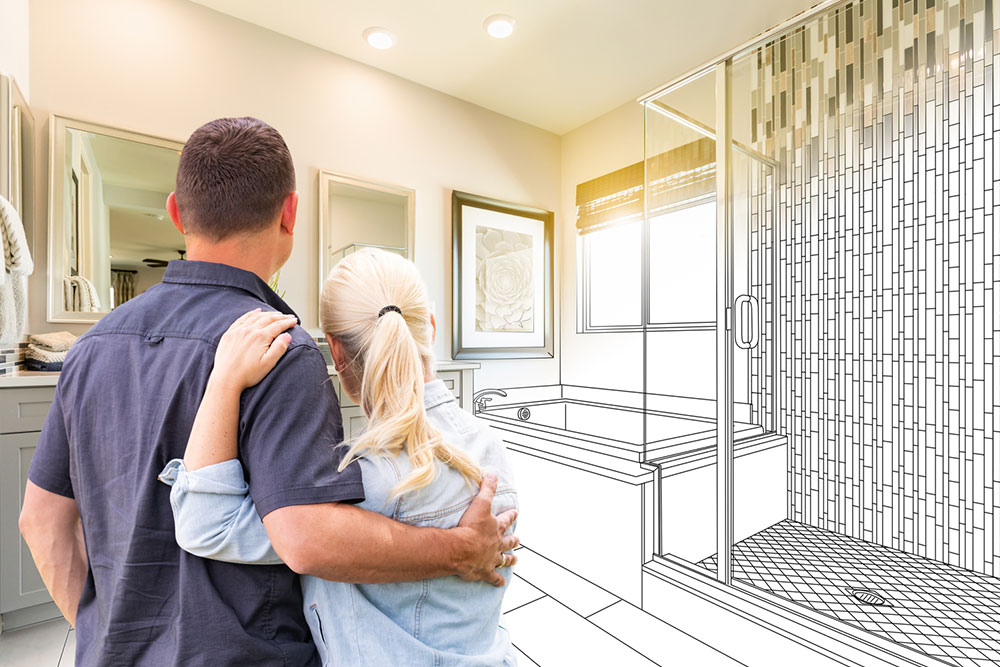
Bathroom remodeling can be complex and require more time, effort, and resources than people usually estimate. There are many ways and designs to renovate the space so it fits one’s needs perfectly, but it’s important to consider all aspects of the project before starting it. These include plumbing, electrical work, structural changes, etc. Making mistakes during the estimation or execution process can cost one dearly. Therefore, here are some common bathroom remodeling mistakes one must avoid.
Not planning ahead
Bathroom renovation projects require thorough planning and consideration due to their complexity. Plumbing, electrical work, flooring, surface materials, ventilation, and layout all need careful attention to ensure success. Before taking up the project, one should shortlist the layout, the final look and feel of the space, one’s usage and storage solutions, the budget, and the timeline for completion. Not only this, but in the case of residential or personal projects, one should also consider alternative bathroom arrangements while the current bathroom is being remodeled.
Not consulting professionals
Before starting a project, one should consult professionals to create a well-thought-out layout. Professionals are often more experienced and understand the intricacies of the project that DIYers may not be aware of. This may include functionality, aesthetics, and compliance with building codes. Even in tasks that seem as simple as bathroom wall painting, one needs to be aware of the plumbing, flooring, and surface materials. This is because some paints may block and cause ventilation problems. Taking the time to plan and iterate different layouts can prevent costly mistakes and ensure a satisfactory outcome for the bathroom remodel.
Not visualizing the final outcome
At times, one may love a certain paint color and tile design that do not necessarily go together in the bathroom. While the individual elements and styles may look amazing, it’s important to visualize the final outcome. This can be possible through many digital tools that help people design and simulate the remodeled bathroom. Make use of the technology and have drawings and material samples before beginning.
Underestimating the budget
Renovation projects often run into problems because the budget during the planning stage is underestimated. This is especially true for bathroom remodeling. One should factor in all costs before budgeting the project, from tile, stone, and plumbing prices to installation and construction. Budgeting is best done by considering the maximum cost and then finding ways to cut costs. It’s important not to cut costs for essential structural and plumbing work since using poor quality material can lead to costly issues later, like leakage.
Trying to squeeze in all the latest gadgets
It’s okay to follow trends that truly benefit and add to one’s lifestyle for the long term, but falling for the shiny new bathroom gadget often marketed as an “essential” is a mistake. Bathroom remodeling is a costly affair as it is, so it’s advisable to focus on design elements that suit one’s needs for major fixtures like sinks and tiles. Those wanting to incorporate trendy elements can go for wallpaper and light fixtures, which can be changed later if needed. This approach can help create a bathroom that remains stylish and functional for years without needing frequent renovations.
Changing the location of the tub, toilet, or sink
One needs to remember that the plumbing, electric work, water, and waste systems of the house are already set in place, and making any changes here means one has to essentially change the structure of the home. This is not only costly but also time-consuming and, in most cases, unnecessary. One will have to reroute water and waste lines, redo all the attachment connections, and ensure they are all sealed well. So, avoid changing the location of the bathroom toilet, sink, and tub. Let the outlets be where they are unless there are structural issues with any of these, and try to build and renovate around them.
Doing the tiling work wrong
Experts often start the tiling work from the center of the bathroom and work their way towards the wall or edges and then grout and seal it all in place. This is important to keep the floor uniform. Common mistakes DIYers or newbies make here is to either install tiles on top of the current panels to cut costs or rush the process to save time. In both cases, one may end up with sloppy work that traps moisture and eventually cracks or loosens the tiles.
Forgetting about storage
One of the earliest things one should consider during the planning stage is storage. People often underestimate how much storage the bathroom needs and do not take full advantage of the space. This often makes it less functional or practical during actual use. It’s best to have designated space for one’s towels and toiletries and get sufficient cabinets and hooks for other essentials.
Forgetting to install ventilation
Ventilation is another important aspect of bathroom remodeling. It ensures that the air, moisture, and odors clear out the space in time and prevent mold or bacterial growth. Forgetting to install a good and sufficient ventilation system can create problems later.
Not layering the lighting
People often think that a single light over the bathroom mirror can do all the work. But this fails to create the necessary ambiance and is almost always insufficient. Experts advise on layering the lighting for the best illumination. It also ensures that there’s not too much or too little light in the bathroom.